






The Chesapeake Bay Loop: A Cruiser’s Adventure Close to Home
News |2026-04-21T13:03
The Chesapeake Bay Loop: A Cruiser’s Adventure Close to Home
If the Great Loop has ever been on your mind, you’ve probably wondered: Is there a way to capture that same sense of adventure… without committing to thousands of miles?
On the Chesapeake Bay, the answer is a clear yes.
You don’t need to circle the eastern half of the United States to experience meaningful, multi-day cruising. Right on the Chesapeake Bay, you can create your own long-distance journey. And one that fits your schedule, your comfort level, and your boat.
The Chesapeake Bay Loop
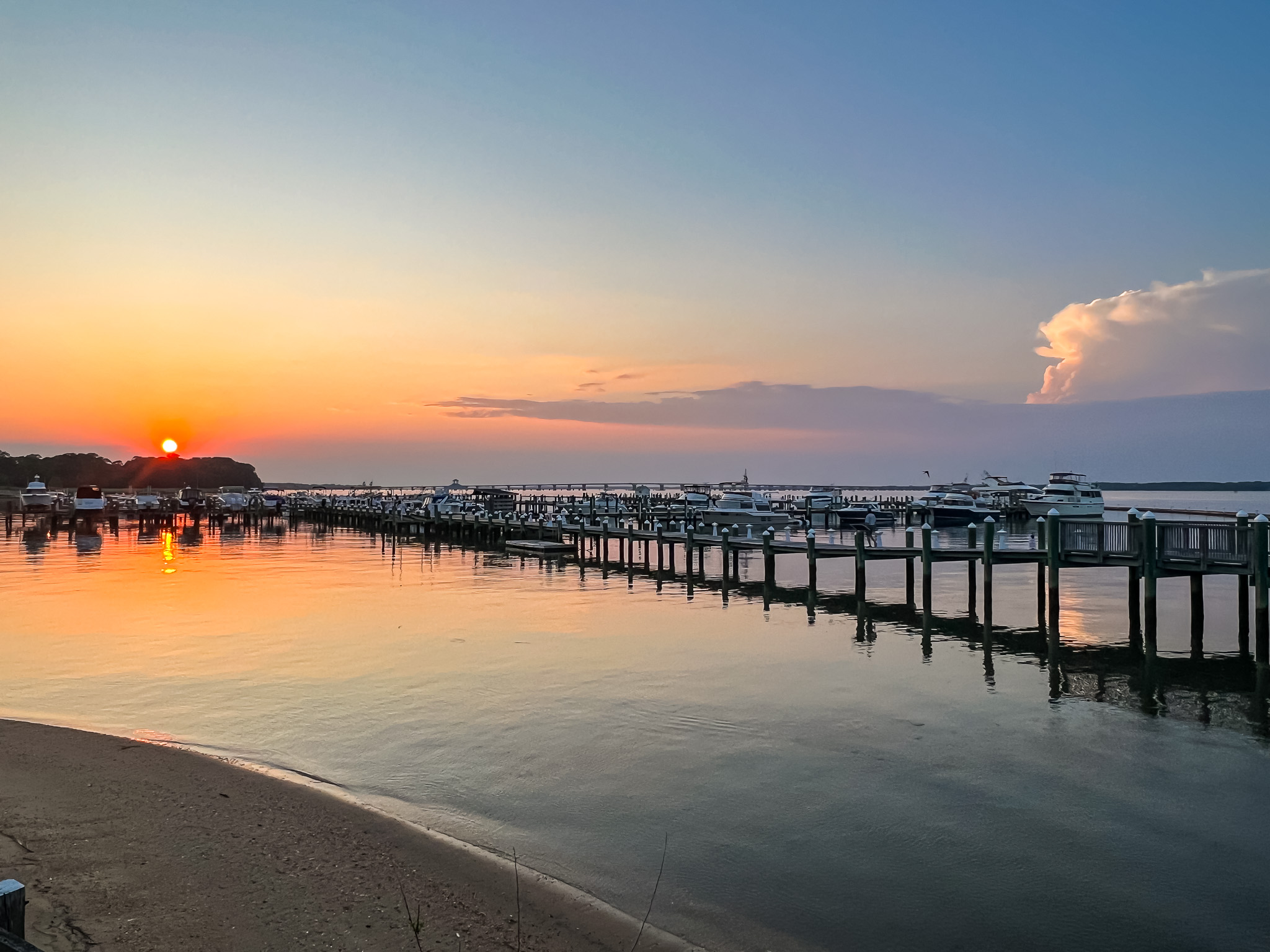
It’s not a marked route or a rigid itinerary, and that’s exactly the point. You can begin wherever you keep your boat, travel clockwise or counterclockwise, and adjust each leg to match the weather or your pace. What makes it special isn’t the mileage, it’s the rhythm. Moving from harbor to harbor, discovering new towns, and seeing familiar waters from a completely different perspective.
Here’s one way to build your loop, beginning in Annapolis.
Annapolis to Baltimore Inner Harbor: ~30 nautical miles
A comfortable first leg takes you north into Baltimore, where the skyline and energy offer contrast to Annapolis. Spend time along the waterfront, tour historic ships, or make your way to Fells Point for dinner. It’s an easy run that quickly sets
the tone for the variety this trip offers.
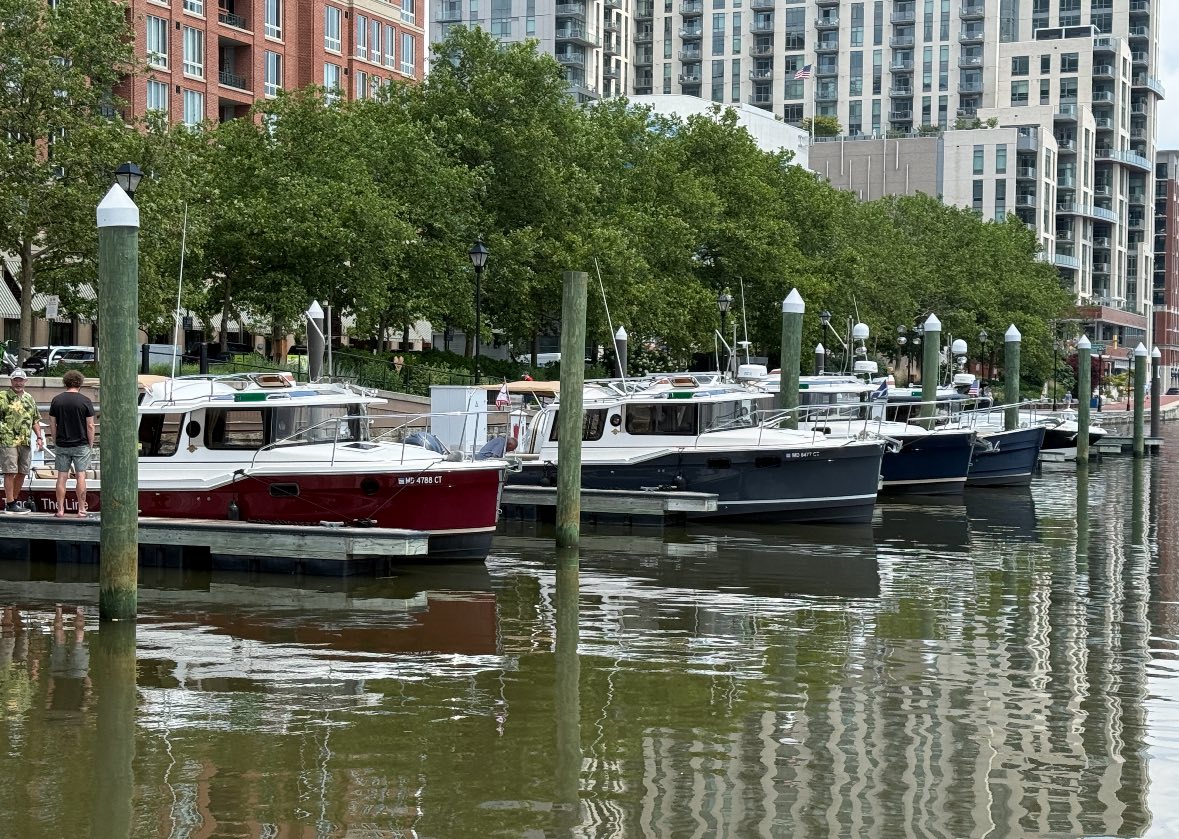
Baltimore to Chesapeake City: ~47 nautical miles
From Baltimore, head into the C&D Canal toward Chesapeake City. This stretch feels entirely different from open Bay cruising, with commercial traffic moving steadily through the canal. Docking here puts you right alongside the action, where massive
ships pass surprisingly close. It’s a memorable stop with great waterfront dining and a relaxed small-town feel.
Chesapeake City to Rock Hall: ~40 nautical miles
Rock Hall welcomes you with a laid-back, boating-centric atmosphere. It’s the kind of place where time naturally slows down. Enjoy fresh seafood, stroll the harbor, and settle into a quieter pace as the trip begins to unfold.
Rock Hall to St. Michaels: ~22 nautical miles
St. Michaels is one of the Chesapeake’s most beloved destinations—and for good reason. The town is vibrant yet approachable, with plenty to do within walking or biking distance. Visit the Chesapeake Bay Maritime Museum, explore local shops,
or enjoy a long, unhurried dinner by the water.
St. Michaels to Oxford: ~28 nautical miles
A short cruise brings you to Oxford, where the mood shifts again. Quiet streets, historic homes, and a slower tempo define this stop. Take a ride on the Oxford-Bellevue Ferry, grab a casual meal, and enjoy the simplicity of a peaceful evening at the dock.
Oxford to Smith Island or Crisfield: ~58 nautical miles
Heading south, you’ll reach one of the most distinctive areas on the Bay. Smith Island offers a rare glimpse into a truly remote Chesapeake community, famous for its multi-layer cake and unique culture. If you continue on to Crisfield, you’ll
find a working waterfront known for its seafood heritage. Either way, this leg feels like a step into a different world.
Smith Island/Crisfield to Onancock: ~23 nautical miles
A shorter run across Tangier Sound brings you to Onancock, a protected harbor on Virginia’s Eastern Shore. The town is easy to explore on foot, with galleries, restaurants, and a relaxed, welcoming atmosphere. It’s a place that invites you
to linger a little longer than planned.
Onancock to Cape Charles: ~35 nautical miles
Continuing south, Cape Charles blends coastal charm with a bit more activity. Wide beaches, a lively main street, and a strong boating culture make it a favorite for many cruisers. It’s a great place to recharge before turning back north.
Cape Charles to Deltaville: ~25 nautical miles
Crossing back to the Western Shore, Deltaville is known as a hub for boaters. With full-service marinas and easy access to provisions, it’s an ideal stop to refuel and reset. Even if you stay just one night, it’s a practical and enjoyable waypoint.
Deltaville to Solomons Island: ~57 nautical miles
Solomons brings a social, energetic feel back into the trip. The waterfront is lively, with restaurants, museums, and plenty to explore. It’s a great place to reconnect with the busier side of Chesapeake cruising.
Solomons to Annapolis: ~47 nautical miles
The final stretch returns you to Annapolis, completing the loop. By the time you arrive, the trip often feels like much more than a route on a chart. It becomes a collection of favorite stops, unexpected discoveries, and a clearer understanding of how
you like to cruise.
How Long Does It Take?
While you could complete this loop in about two weeks, most boaters find that 15 to 18 days creates a far better experience. Extra time allows for weather flexibility, spontaneous stops, and the ability to truly enjoy each destination rather than rushing
through it.
Because the goal isn’t to check off miles, it’s to enjoy the time on the water.
Choosing the Right Boat for the Journey
One of the biggest misconceptions about trips like this is that they require a large yacht. In reality, what matters most is ease of use.
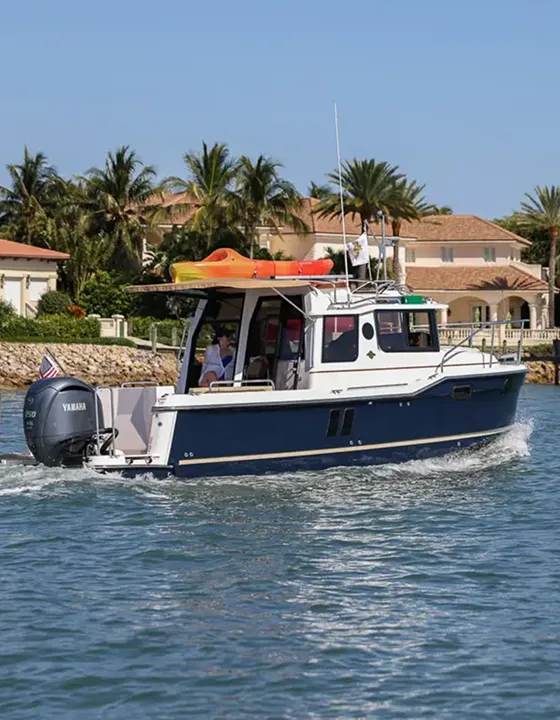
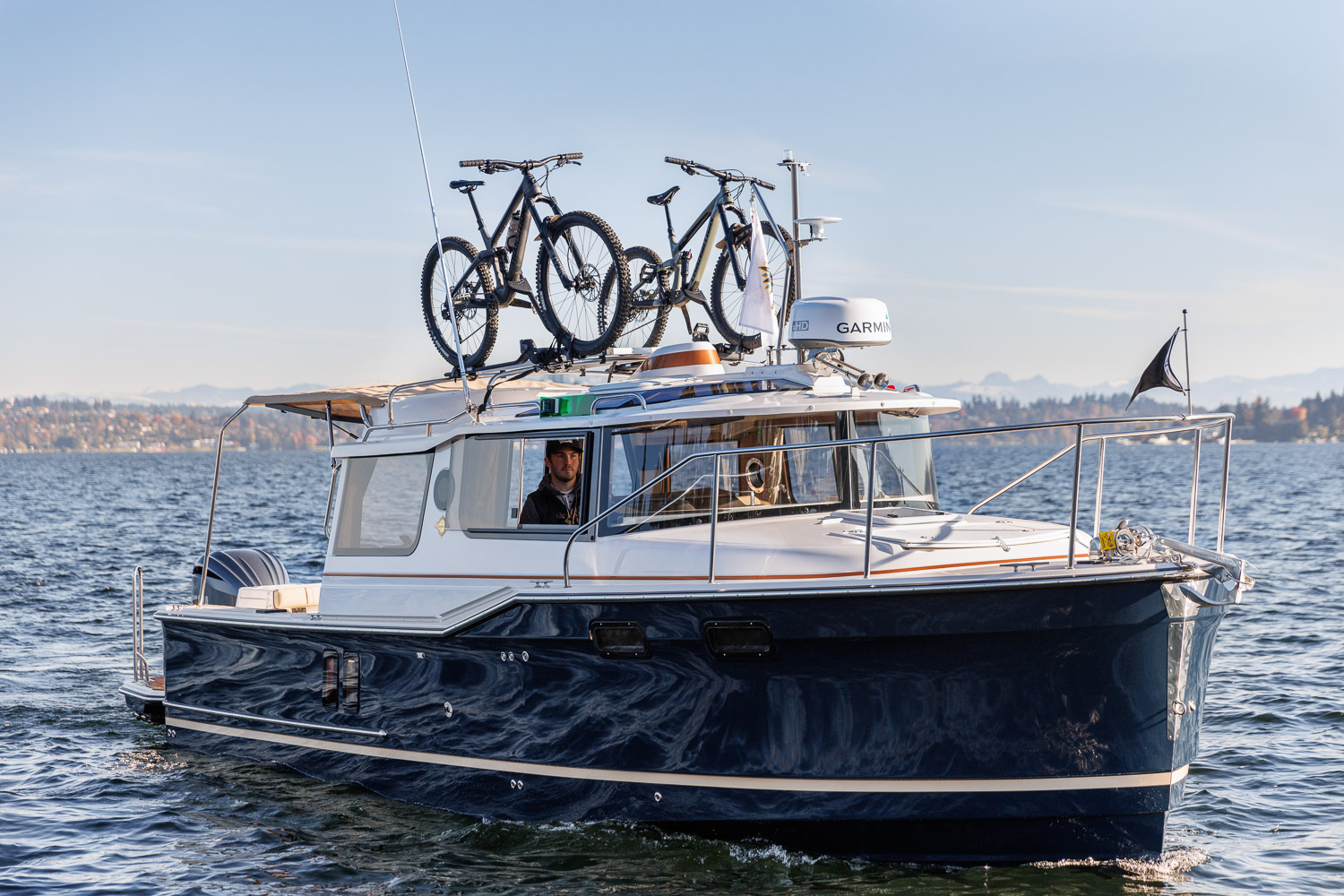
A boat that’s simple to handle, efficient to run, and comfortable for overnight stays makes all the difference. That’s where pocket yachts excel.
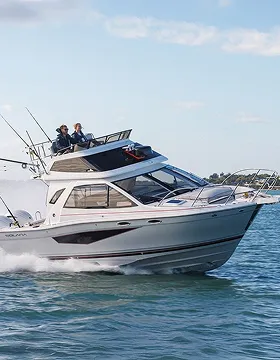
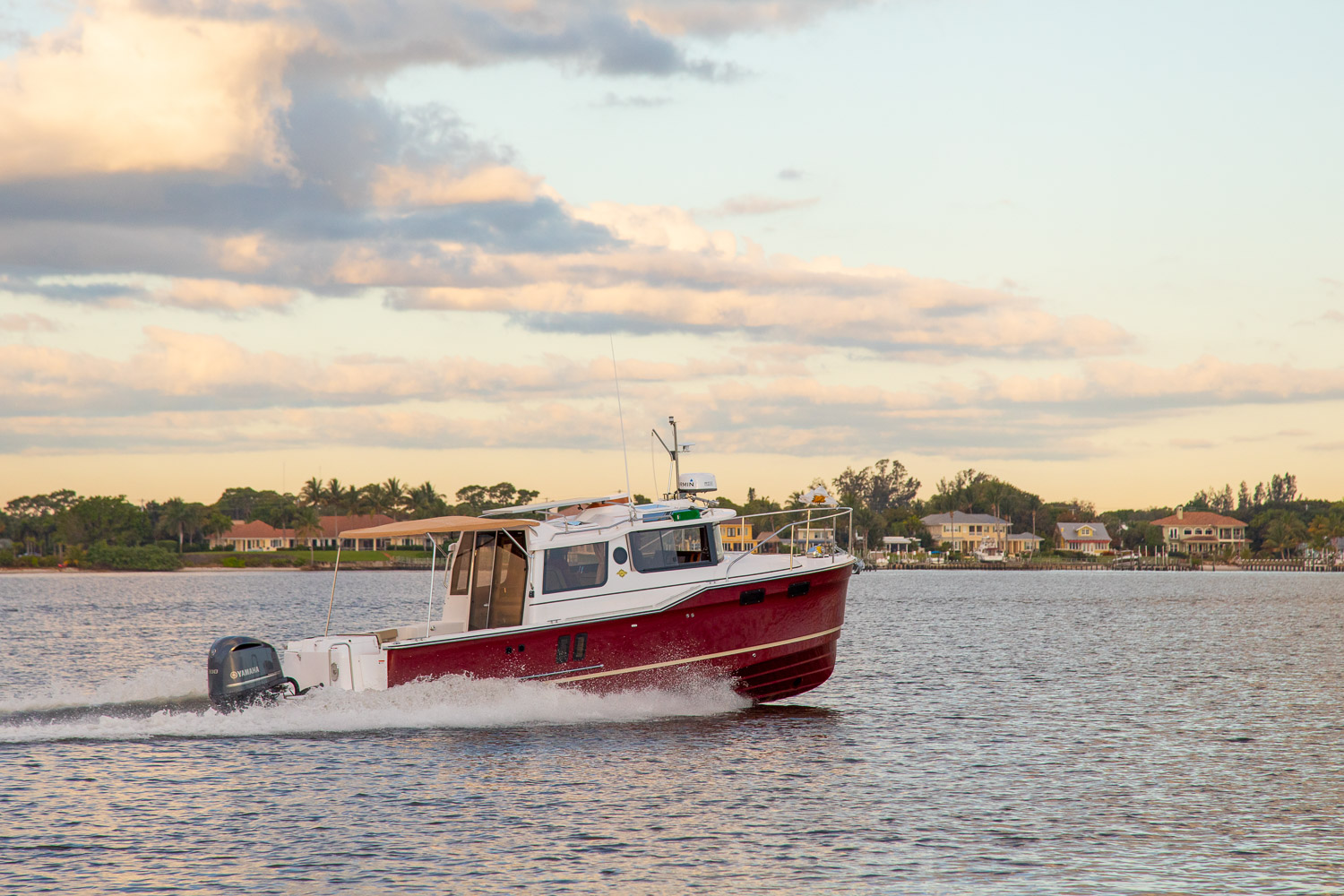
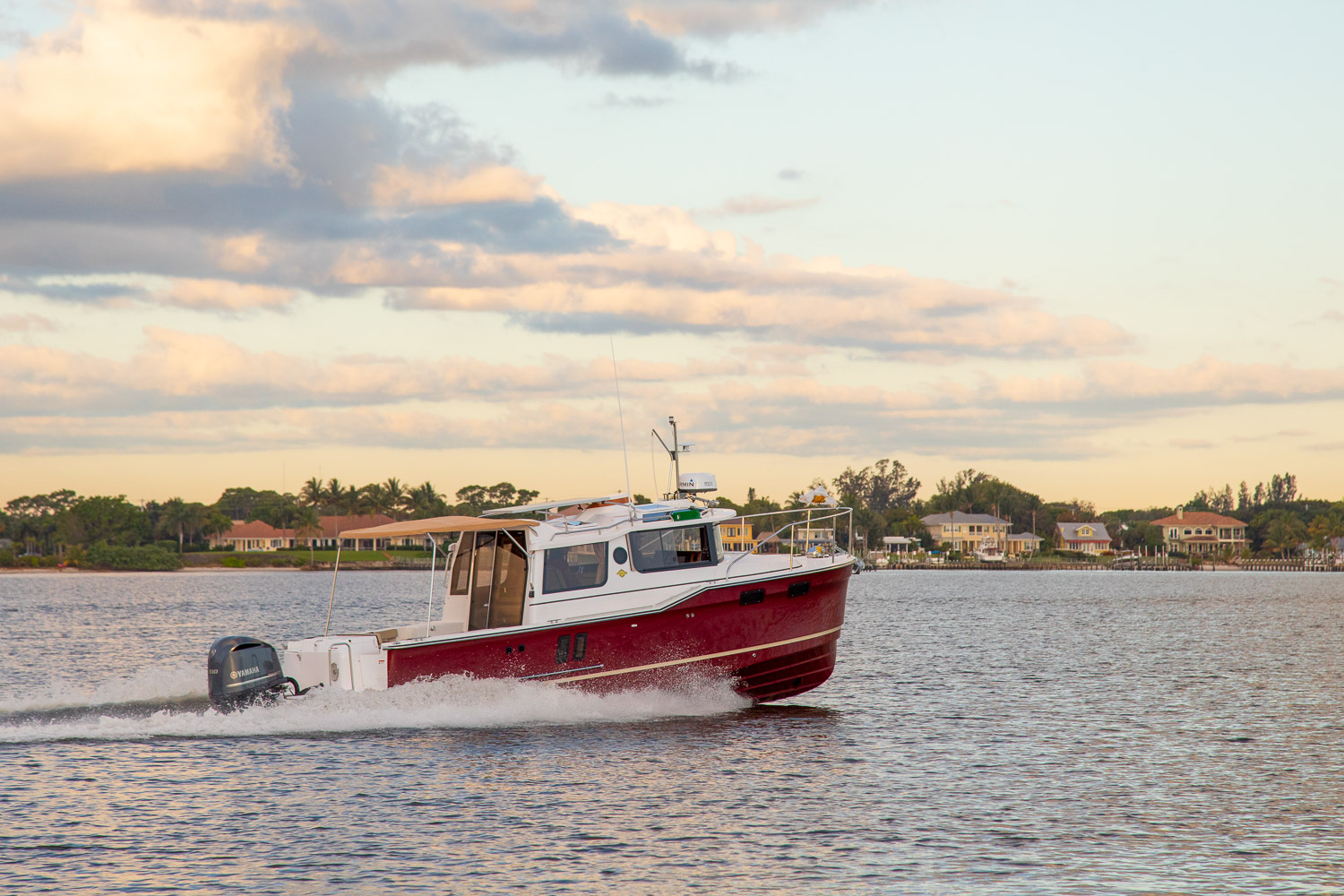
Models from Ranger Tugs and Cutwater are purpose-built for cruising like this. With thoughtful layouts, reliable performance, and features designed for extended time aboard, they make trips like the Chesapeake Bay Loop not just possible, but genuinely enjoyable.
Start Your Loop, Your Way
The beauty of the Chesapeake Bay Loop is its flexibility. There’s no single “right” way to do it. You can shorten it, extend it, or customize it entirely based on your home port and schedule.
What matters is taking that first step beyond a day trip and discovering how rewarding cruising can be when you turn it into a journey.
And the best part? You can start almost anywhere.